| Home | Chinatowns of the world | Festivals | Culture | Food Culture | History | Countries |
| Chinese Religion | Tours | Sitemap | Documentaries | About | Contact |
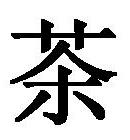
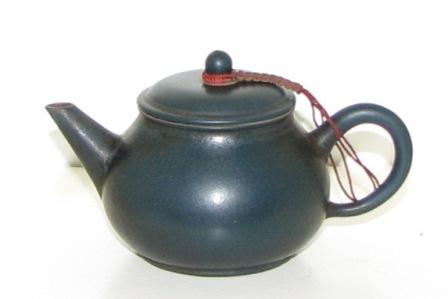
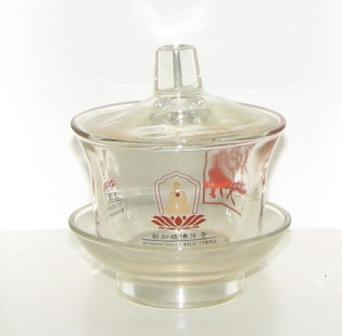
Chinese Tea 茶 Chinese Tea (茶)(cha) is considered by the Chinese as one of the daily necessities and it has very a very strong cultural symbolism. Apart from being brewed for drinking, appreciation and its medicinal properties, tea is also used in religious (Buddhist and Taoism) rituals and incorporated as part of Chinese social customs. Tea is also consumed with festive foods like Moon cakes 月饼 during the Mid Autumn 中秋节 and Dumpling, Zong Zi 粽子during the Duan Wu Jie 端午节or Dumpling Festival. Therefore, it is not surprising that when the Chinese migrate, tea and tea culture arrived with them to their new homeland. Today, during a Chinese wedding ceremony, a bride is accepted into her husband's family through the offering of tea (敬茶)to her in-laws and husband's relatives. It represents the official introduction of the bride to her new family as well as acceptance of her into the husbands family. When friends or relatives meet for food especially dim sum, it is described as "going for tea" (喝茶). When tea is served with food, it is meant to be drunk as a beverage. Tea aids digestion and prevents absorption of fats into the body. Many scientific studies have presented evidence of tea's health benefits. When served on its own, the tea is meant to be appreciated (品茶). Chinese tea appreciation has a long history and is a refined activity for personal enjoyment or with fellow tea lovers. Most tea lovers will also have a large collection of tea pots, tea sets and accessories. Tea lovers will also have a collection of different types of Chinese tea. Related articles:Food culture 饮食文化Chinese Tea Culture |
|
| Join us on |  |
Youtube |  |
|
| Copyright © 2007-24 Chinatownology, All Rights Reserved. | ||||